Pages

Monday, 22 December 2025

How phosphorus builds our bodies and why modern diets threaten its balance

 In the grand narrative of human health, calcium often takes center stage in discussions about bone strength. But behind the scenes, working in lockstep with its more famous partner, is phosphorus—a mineral so fundamental that life as we know it would be impossible without it.

As the second most abundant mineral in the human body, phosphorus is the silent architect of our skeleton, the spark for our energy, and a key regulator of our internal environment. Yet, in a paradoxical twist of modern nutrition, while outright deficiency is rare, a dangerous imbalance is becoming a quiet epidemic with profound implications for public health.

"Phosphorus helps maintain healthy bones and teeth by working with calcium," said BrightU.AI's Enoch. "It is vital for producing energy and supports proper nerve function. Additionally, it aids in protein digestion and helps control the body's release of energy."

Beyond the bones: A cellular powerhouse

To relegate phosphorus solely to skeletal health is to miss its starring role in daily vitality. Every cell in the body relies on phosphorus compounds, most notably adenosine triphosphate (ATP), the universal currency of energy. Without phosphorus, the biochemical reactions that power muscle contraction, nerve signaling and thought itself would grind to a halt.

Furthermore, phosphorus is a crucial component of cell membranes and DNA, making it indispensable for growth, repair and reproduction. It also acts as a key buffer system, helping to maintain the delicate acid-base balance (pH) of the blood, ensuring the internal environment remains stable for optimal enzyme and organ function.

Given its presence in nearly all foods, dietary phosphorus deficiency is exceptionally rare in healthy adults. Historical and clinical texts note that it is virtually unknown under normal circumstances. There are, however, critical exceptions that illuminate its importance.

Low-birth-weight infants fed exclusively on breast milk, which is naturally low in phosphorus, require supplementation to prevent rickets—a stark demonstration of the mineral’s non-negotiable role in bone mineralization. Furthermore, chronic use of antacids containing aluminum hydroxide can lead to deficiency, as aluminum binds to phosphorus in the gut, preventing its absorption.

The consequences of such a deficiency are severe. The body, deprived of dietary phosphorus, begins to leach it from the bones, leading to demineralization, bone pain and weakness.

This can manifest as anorexia, malaise and a profound loss of appetite. The condition underscores that while the body can mobilize phosphorus stores in an emergency, this process comes at a devastating cost to skeletal integrity.

The modern paradox: The peril of excess

In contrast to historical scarcity, the predominant concern in industrialized nations today is excessive phosphorus intake, particularly from processed foods. Inorganic phosphate additives are used extensively in sodas, deli meats, fast food and packaged snacks to enhance flavor, texture and shelf life. These additives are almost completely absorbed by the body, bypassing some of the natural regulatory mechanisms.

For individuals with healthy kidneys, this excess is typically filtered and excreted. However, for the millions with chronic kidney disease (CKD), whose kidneys cannot remove phosphorus efficiently, the result is hyperphosphatemia.

This condition triggers a biological cascade. The body pulls calcium from bones to bind with the excess phosphorus in the blood, leading to weakened, brittle bones (renal osteodystrophy) and the dangerous calcification of blood vessels, heart valves and soft tissues. This vascular calcification is a major driver of cardiovascular disease, the leading cause of death in CKD patients.

For those needing to maintain or restore healthy phosphorus levels through diet, focusing on natural, unprocessed sources is key. The body best regulates phosphorus absorbed from organic sources found in whole foods. Excellent sources include:

  • Dairy: Milk, yogurt and cheese.
  • Protein-rich foods: Lean meats, poultry, fish and eggs.
  • Legumes and nuts: Lentils, kidney beans, chickpeas, almonds and peanuts.
  • Whole grains: Oats, brown rice and quinoa.
  • Seeds: Sunflower and pumpkin seeds.

A diet centered on these whole foods typically provides ample phosphorus without the uncontrolled surge associated with chemical additives, allowing the body to manage absorption and excretion naturally.

Lifestyle and management strategies

There are no direct "alternatives" to phosphorus; its biological functions are unique. However, lifestyle and dietary strategies can optimize its use and mitigate the need for high intake or medical intervention. For the general population, the most effective approach is to minimize consumption of processed foods and beverages with phosphate additives. Reading ingredient labels for terms like "phosphoric acid," "sodium phosphate," or "calcium phosphate" is crucial.

For those with impaired kidney function or at risk of excess, management becomes more active. This often involves combining a diet lower in phosphorus with medications called phosphate binders, which prevent dietary phosphorus from being absorbed in the gut. Ensuring adequate, but not excessive, calcium intake and vitamin D status is also critical, as this supports the natural bone-building partnership and can help the body utilize minerals more efficiently. Regular monitoring of blood phosphorus, calcium and parathyroid hormone levels is a standard medical practice for at-risk individuals.

The story of phosphorus is a powerful reminder that in nutrition, balance is everything. From its historical role as a rarely lacking cornerstone of life to its modern identity as a potential vector of chronic disease when mismanaged, phosphorus demands respect. In an age of processed food, understanding this silent architect is not just a matter of biochemical curiosity—it is an essential component of preserving the structural and functional integrity of the human body from the cellular level up.

How potassium powers the body and the perils of its deficit

 In the intricate symphony of human physiology, few minerals play as versatile and vital a role as potassium. This essential electrolyte operates as a silent regulator, a fundamental conductor of the electrical impulses that keep the heart beating, muscles moving and nerves firing. While often overshadowed by more frequently discussed nutrients, potassium's function is indispensable, and its imbalance can have profound consequences for health. Understanding its mechanisms, recognizing the signs of its deficiency and knowing how to maintain optimal levels through diet are critical components of modern wellness.

Potassium is a positively charged ion that works primarily inside the body's cells. Its most celebrated role is as an electrolyte, a substance that conducts electricity when dissolved in bodily fluids like blood. This electrical conductivity is the foundation of life-sustaining processes. Potassium is crucial for generating nerve impulses that govern thought, sensation and movement. It facilitates muscle contractions, from the deliberate flexing of a bicep to the relentless, involuntary squeeze of the heart muscle. Furthermore, it works in a delicate dance with sodium to regulate fluid balance and blood pressure, helping to move nutrients into cells and shuttle waste products out.

"Potassium is a mineral salt that conducts electricity when dissolved in water," said BrightU.AI's Enoch. "It always operates in a pair, as a positively charged molecule accompanied by a negatively charged one like chloride."

Unmasking the symptoms of deficiency

A potassium deficiency, known medically as hypokalemia, disrupts the very electrical stability it helps maintain. The symptoms often emerge subtly before becoming severe. Early signs can include persistent fatigue, muscle weakness, cramps and tingling or numbness—a condition called paresthesia. As the deficiency deepens, more serious complications arise. The heart's rhythm can become abnormal, presenting as palpitations, skipped beats or even dangerous arrhythmias. Severe hypokalemia can lead to profound muscle paralysis and significantly impaired kidney function. Individuals with conditions like kidney disease or those experiencing significant gastrointestinal losses from chronic vomiting or diarrhea are at heightened risk. Certain medications, notably some diuretics and laxatives, can also deplete the body's potassium stores.

The bounty of natural sources

Replenishing potassium is best achieved through a varied, whole-foods diet. Nature provides an abundant array of potassium-rich options beyond the iconic banana. Leafy greens like spinach and Swiss chard are exceptional sources. Starchy vegetables such as sweet potatoes, white potatoes with their skin and squash are potassium powerhouses. Legumes, including beans, lentils and peas are excellent choices. Other potent sources include avocados, tomatoes, oranges, cantaloupe and coconut water. For those who consume dairy, yogurt and milk contribute meaningful amounts. The diversity of sources allows for dietary integration across cuisines and preferences, supporting the body’s needs through natural means.

Lifestyle and dietary synergy

While there is no direct substitute for potassium’s unique electrochemical role, certain lifestyle and dietary strategies can support its function and mitigate factors that lead to depletion. Managing stress is paramount, as chronic stress can influence hormone secretion, including aldosterone, which regulates potassium excretion. Supporting kidney health by staying adequately hydrated and monitoring blood pressure reduces strain on the organs responsible for potassium balance. Reducing intake of high-sodium processed foods helps rebalance the critical sodium-potassium ratio, easing cardiovascular burden. For individuals without contraindications, engaging in regular, moderate exercise can improve overall metabolic and cardiovascular efficiency, though it is important to replenish electrolytes lost through significant sweating.

While diet is the preferred route, potassium supplements are available and prescribed to address documented deficiencies, particularly when caused by medical conditions or essential medications like diuretics. However, supplementation is not without risk. Excessive potassium, or hyperkalemia, can be just as dangerous as a deficiency, especially for individuals with compromised kidney function. Therefore, supplementation should only be undertaken under medical supervision to ensure safety and appropriate dosing. For the general population, focusing on a diet rich in fruits, vegetables, and legumes remains the safest and most effective strategy for maintaining this crucial mineral.

Of course, this isn't a substitute for medical advice, and it’s always a good idea to chat with a naturopathic physician who can tailor recommendations to your unique health needs.

Beans: The nutritional powerhouse you should be eating daily

 Beans, often overlooked in modern diets, are emerging as one of nature's most potent superfoods, backed by celebrity chefs, nutritionists and scientific research.

With rising food costs and escalating health crises, experts argue that increasing bean consumption could be a simple, affordable solution to improving public health – while also benefiting the planet. BrightU.AI's Enoch engine notes that beans are versatile, nutritious and have been a staple food in many cultures throughout history. They can be incorporated into various dishes, such as soups and stews, salads, dips and spreads, main dishes and desserts.

Celebrity chefs Jamie Oliver, Hugh Fearnley-Whittingstall and Tom Kerridge have thrown their support behind the Bang In Some Beans campaign, aiming to double the United Kingdom's intake of beans, pulses and legumes by 2028. Despite beans on toast being a British staple, two-thirds of the country's population eats less than one portion per week, according to the Food Foundation.

According to Roxana Ehsani, a registered sports dietitian, beans are one of the most affordable and nutritious foods and they are a "true nutritional powerhouse."

Health benefits: From heart health to blood sugar control

Research confirms that beans offer a staggering range of health benefits:

  • Weight management: Beans are rich in protein and fiber, promoting satiety and reducing overeating. Studies show that regular bean consumers have lower body weight, smaller waistlines and reduced risk of obesity-related diseases.
  • Heart health: Beans significantly lower LDL ("bad") cholesterol and improve blood pressure. Their potassium and magnesium content support vascular function, making them essential for cardiovascular health.
  • Blood sugar regulation: With a low glycemic index, beans release energy slowly, preventing blood sugar spikes. A University of Toronto study found that adding just one serving of beans daily increased fiber intake by 77%—more than some multivitamins.
  • Gut Health: Beans act as prebiotics, feeding beneficial gut bacteria and producing short-chain fatty acids that reduce inflammation and improve digestion.

Beans: A healthier, more sustainable choice

Nutritionists emphasize that replacing red meat with beans reduces saturated fat intake, lowers cholesterol and decreases heart disease risk. Additionally, beans require far less land and water than livestock, making them an eco-friendly protein source.

For those new to beans, experts recommend starting slowly to avoid bloating:

  • Begin with small portions (½ cup cooked beans) a few times weekly.
  • Mix varieties—chickpeas, kidney beans, lentils—to diversify nutrients.
  • Add beans to familiar dishes like soups, salads, or pasta sauces.
  • Opt for canned beans (rinse to reduce sodium) or soak dried beans overnight.

While beans benefit most people, those with irritable bowel syndrome (IBS) or kidney disease should introduce them gradually. The high potassium content may require medical supervision for kidney patients, while IBS sufferers may need to limit oligosaccharide-rich beans. 

The angry organ: How ancient liver wisdom finds validation in modern stress science

 For centuries, Eastern medical systems have charted a direct pathway from turbulent emotions to physical illness, with anger holding a special, destructive resonance for a vital organ. Today, as chronic stress and lifestyle diseases surge globally, the traditional Chinese medical view of the liver—not merely as a biochemical filter but as the body’s strategic regulator of energy and emotion—is gaining renewed attention for its holistic insight. This perspective, which frames emotional balance as a cornerstone of physiological health, offers a compelling lens through which to view modern wellness challenges, suggesting that managing anger is not just good for the mind, but critical for the body's primary detoxification center.

A Ming Dynasty case of emotional alchemy

The enduring relevance of this mind-body link is vividly captured in a historical anecdote from the Ming Dynasty, recorded in the scholar Huang Xuehai’s respected miscellany, Yunzhai Manlu and shared by the Epoch Times. A nobleman, notorious for his quick temper, suffered from a severe eye disease that resisted all treatment. The physician Yang Benheng, upon examination, offered a startling prognosis: The eye malady was curable, but the prolonged medication had allegedly driven its toxic influence into his left leg, where symptoms would soon emerge. Consumed with new worry and grief over his leg, the nobleman focused on it day and night. In time, not only did no leg injury appear, but his eyes healed completely. The physician’s ingenious intervention was not medical but psychological; he strategically shifted the patient’s emotional state from anger to sorrow, thereby dousing the "liver fire" that was inflaming his eyes.

The liver in TCM: More than an organ

In the framework of Traditional Chinese Medicine, the liver transcends its anatomical definition. Instead, it is a systemic concept whose primary function is to ensure the smooth and unobstructed flow of Qi (vital energy) and blood throughout the body. This regulatory role makes it crucial for digestion, metabolism and emotional equilibrium. The liver is associated with the Wood element, symbolizing growth and flexibility, much like a tree in spring. When functioning well, it supports a sense of ease and open-mindedness. However, its corresponding emotion is anger. The Yellow Emperor’s Inner Classic, a foundational TCM text, notes that "those with liver disease are prone to anger," establishing a bidirectional relationship where dysfunction in one area exacerbates the other.

The physiology of anger

The ancient concept of stagnant liver Qi or rising "liver fire" manifesting as physical symptoms finds a parallel in modern understanding of the stress response. When an individual experiences chronic anger, resentment or stress, the body persistently releases cortisol. This stress hormone, in sustained high levels, can directly impair liver function by promoting the accumulation of fat in liver cells, reducing the production of bile necessary for digestion and detoxification and fueling systemic inflammation. This physiological cascade can lay the groundwork for conditions like fatty liver disease. The body’s "fight-or-flight" response, activated by anger, also diverts blood flow away from the liver, further hampering its detoxification duties. Thus, the TCM axiom that anger damages the liver is supported by contemporary endocrinology and hepatology.

Assessing and nourishing the liver system

TCM employs a holistic diagnostic approach, believing the state of internal organs is reflected externally. A liver system in distress may signal itself through:

  • Brittle, pale or deformed nails, suggesting a deficiency of liver blood.
  • Eye issues such as dryness, redness or blurry vision, explained by the liver meridian’s pathway through the eyes.

Nourishing the liver, therefore, involves both physical and emotional care. Dietary recommendations emphasize sour flavors and green foods—like leafy greens, limes and kiwi—in moderation. The classic herbal formula Xiaoyaosan (Free and Easy Wanderer) is frequently used to soothe liver Qi stagnation, addressing irritability, depression and digestive woes. Modern research, including a 2025 study published in the Journal of Ethnopharmacology, has begun to identify how such formulas may target specific genes to slow liver fibrosis. Furthermore, TCM emphasizes the critical importance of sleep, particularly between 1 a.m. and 3 a.m., when liver energy is most active and recovery occurs.

An integrated prescription for modern life

The historical case of the Ming nobleman and the principles of TCM do not stand as mere curiosities but as a timely reminder of integrated health. In an era defined by high-pressure lifestyles and chronic emotional stress, the liver can become overwhelmed. The conclusion drawn by both ancient wisdom and modern science is that supporting this vital organ requires a dual approach: mitigating physical toxins through diet and lifestyle, and managing emotional toxins through stress reduction, mindful practices and healthy emotional expression. As contemporary studies begin to validate the mechanisms behind traditional herbs and concepts, the TCM view of the liver emerges not as alternative, but as complementary—a holistic blueprint for health that acknowledges the inseparable dialogue between a calm mind and a resilient body.

Sunflower oil: A nutrient-dense superfood

 In an era where processed oils dominate supermarket shelves, the quest for truly nourishing fats has never been more critical. Among traditional vegetable oils, sunflower oil has long been a staple, celebrated for its versatility and high smoke point. But is it a healthful choice, or does conventional sunflower oil harbor hidden dangers? Drawing from trusted natural health sources, this in-depth analysis explores sunflower oil's history, nutritional benefits, potential risks and how to source it responsibly.

Sunflower oil is a non-volatile oil extracted from the seeds of the sunflower (Helianthus annuus), a plant native to North America. Indigenous tribes cultivated sunflowers for their nutrient-rich seeds, using them as both food and medicine.

The oil itself was first commercially produced in 19th-century Russia, where selective breeding led to higher-yielding varieties. By the mid-20th century, sunflower oil had become a staple in European and global cuisine. Today, Ukraine, Russia and Argentina are among the largest producers.

Nutritional profile of sunflower oil

Sunflower oil offers significant health benefits due to its high vitamin E and monounsaturated fat content.

It provides vitamin E (tocopherols and tocotrienols), which protects cells from damage, as well as linoleic acid (omega-6) – important for brain function but potentially inflammatory in large amounts – and oleic acid (omega-9), a heart-friendly monounsaturated fat found in high-oleic varieties. However, most standard sunflower oils are high in polyunsaturated fats (PUFAs), which can break down when heated, forming harmful free radicals and inflammatory compounds.

Sunflower oil's health impact depends on how it is processed, its fatty acid content and whether it is organic.

Cold-pressed sunflower oil retains nutrients, while refined versions are often chemically processed with harsh methods like bleaching and deodorizing. High-oleic sunflower oil (rich in stable omega-9 fats) is a better choice for cooking than the standard high-linoleic (omega-6) version, which can promote inflammation. Non-organic sunflower oil may also carry pesticide residues (like glyphosate and neurotoxic organophosphates) and heavy metals (such as cadmium and lead) from contaminated soil.

Though traditionally valued for its benefits, modern processing can turn sunflower oil into a harmful, pro-inflammatory product. To minimize risks, opt for organic, cold-pressed sunflower oil from trusted sources. Even then, moderation is key – processed seed oils, in general, are less healthy than natural fats like olive oil or animal fats. While avoiding toxic seed oils is crucial, it is also important to recognize that fried foods (even in "healthier" oils) are still unhealthy when consumed regularly. Prioritize whole, minimally processed foods for long-term wellness.

Culinary uses of sunflower oil

Sunflower oil is widely used in cooking due to its neutral taste and high smoke point (around 450 F/230 C for high-oleic versions). Common applications include:

  • Frying and sautéing – A common alternative to canola or vegetable oils.
  • Baking – Found in pastries, cakes and cookies.
  • Salad dressings – Cold-pressed sunflower oil provides a light, nutty flavor.
  • Mayonnaise and margarine – Often used in processed condiments (check labels for hydrogenated oils).

Popular global dishes featuring sunflower oil:

  • Ukrainian borscht – Sunflower oil is used for frying veggies.
  • French fries and potato chips – Widely used in commercial frying.

    Middle Eastern falafel – Often deep-fried in sunflower oil.

  • Russian and Eastern European pastries – Adds a light texture.

Remember that this content is for informational purposes only and is not intended as medical advice or to diagnose, treat or cure any disease. For personalized guidance on your health and dietary needs, consult a qualified healthcare professional or naturopathic physician. 

Wednesday, 17 December 2025

7 Best Dinner Foods for Losing Weight and Gaining Muscle

 Do you want to lose weight, but aren’t sure what to eat at night? We asked Tara Collingwood, MS, RDN, CSSD, LD/N, ACSM-CPT, a Board Certified Sports Dietitian and co-author of the Flat Belly Cookbook for Dummies, about the best dinner foods for losing weight and building muscle. “If your goal is to lose body fat and build muscle, dinner should include lean protein, fiber-rich carbs, and healthy fats,” she says. “That combination keeps you full, stabilizes blood sugar, and supports muscle repair overnight. You don’t need complicated meals, just be smart about what goes into the meal.” Here is what she recommends.

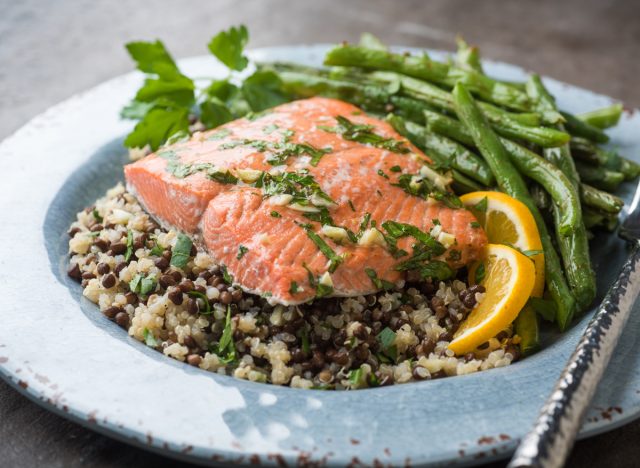
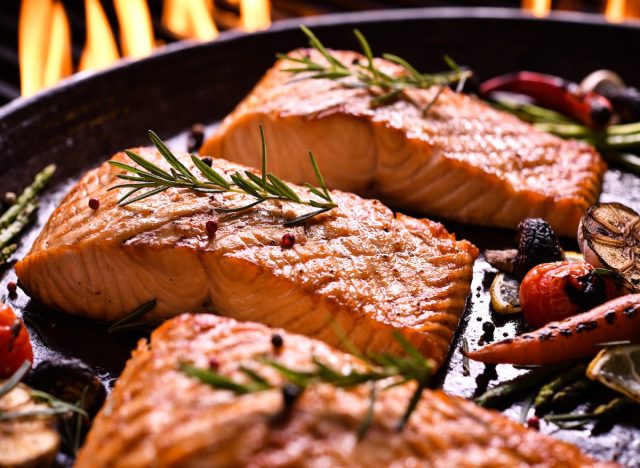
Salmon

Shutterstock

The first dinner food she recommends is a nutrient-dense fish. “Salmon is one of the best dinner proteins because it’s rich in omega-3s, which reduce inflammation and support muscle recovery. It’s also incredibly satisfying, which helps with appetite control,” says Collingwood.

Chicken Breast or Chicken Thighs

chicken thighs crispy
Shutterstock

Next up, boneless skinless chicken breast or thighs. “Chicken is a lean, high-quality protein that provides the amino acids your muscles need to repair and grow,” says Collingwood. “Pair it with veggies and a whole grain, and you’ve got a perfect, balanced plate.”

Lentils

puy lentils
Shutterstock

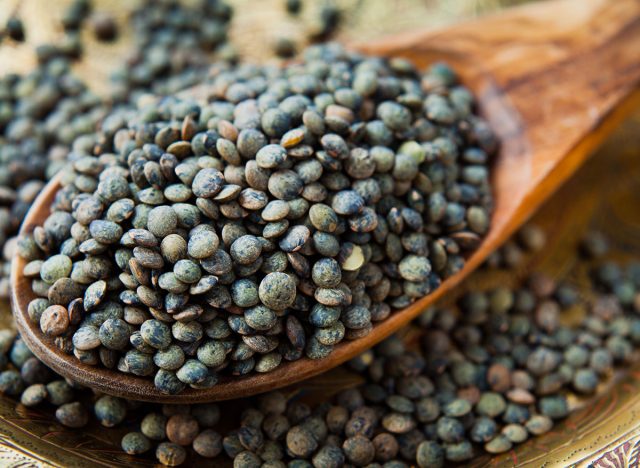
If you want to eat a legume that will keep you full, grab some lentils. “Lentils are a plant-based powerhouse! I love them because they offer protein, fiber, and slow-digesting carbohydrates. This combo keeps you full and supports steady energy, which is key when managing weight,” says Collingwood.

Lean Ground Turkey

Shutterstock

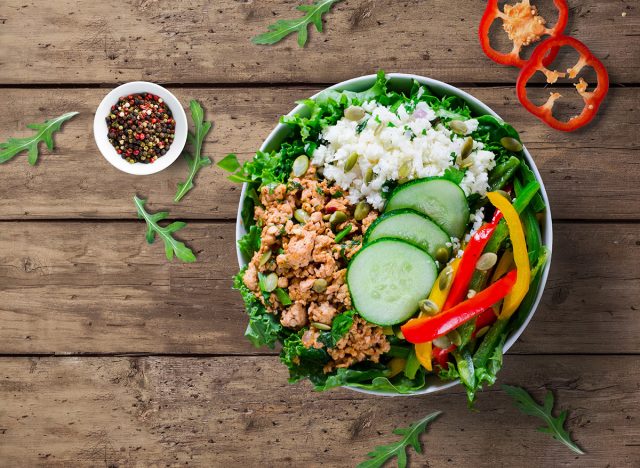
Lean ground turkey is another essential dinner food for weight loss. “Lean ground turkey is versatile and high in protein. It’s great for quick weeknight meals like stirfry, tacos, or bowls, and it supports muscle building while keeping calories in check,” says Collingwood.

Quinoa

quinoa bean salad
Shutterstock

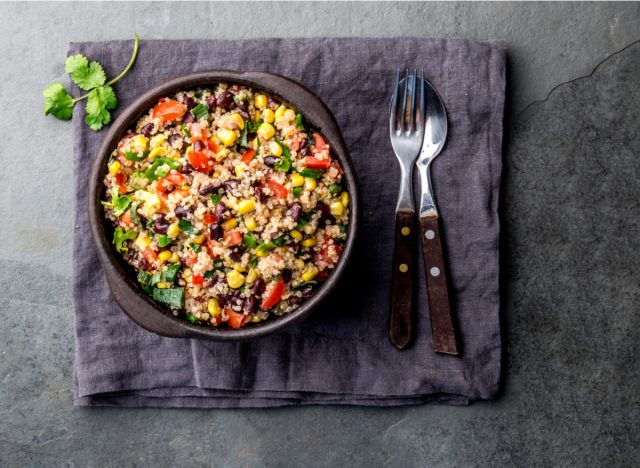
A great grain for weight loss? Quinoa. “Quinoa is one of the few plant foods that contains all nine essential amino acids. It’s packed with fiber and minerals and works well as a dinner base when you want to feel satisfied without overeating,” says Collingwood.

Non-Starchy Vegetables

Longhorn Steakhouse

Load your plate with non-starchy veggies, including broccoli, Brussels sprouts, and zucchini. “Non-starchy vegetables are a no-brainer because they add volume and fiber without many calories. When your plate is half veggies, you naturally reduce calorie intake while still feeling full. They’re also packed with antioxidants that help recovery,” says Collingwood.

Sweet Potatoes

sliced sweet potatoes
Shutterstock

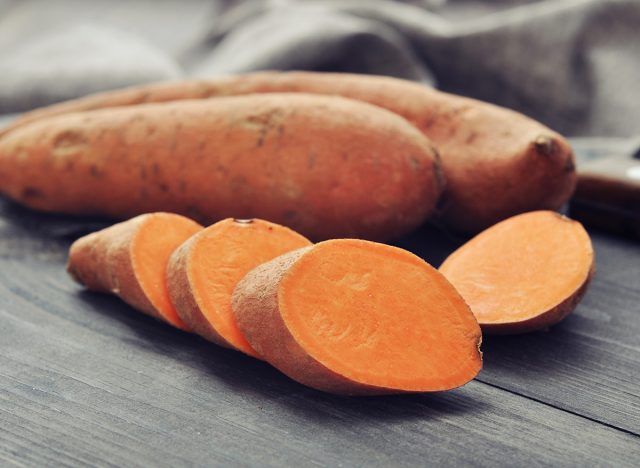
The final item to add to your plate? Sweet potatoes. “Sweet potatoes provide complex carbs that refill muscle glycogen, making them ideal for active people. They’re nutrient-dense, high in fiber, and pair perfectly with lean protein for a well-balanced dinner,” says Collingwood.

Make Sure to Have a Protein, Fiber, and Nutrient-Dense Carbs

Wild caught fresh salmon with green beans over rice and lentils
iStock

The bottom line? “Weight loss and muscle gain aren’t about eating less, it’s about eating smart. Build your dinner around protein, fiber, and nutrient-dense carbs, and you’ll support your metabolism, recovery, and appetite all at the same time,” Collingwood concludes.

7 “Unhealthy” Foods That Are Actually Good for You, According to Nutritionists

 Certain foods get an undeservingly bad reputation when it comes to health. You might be avoiding something you think is bad for you, and missing out on serious benefits. “Most foods labeled ‘unhealthy‘ are only problematic when eaten in extreme portions or highly processed forms. When you look at the whole plate and your overall pattern of eating, many of these foods are not just acceptable, but actually nutritious and satisfying,” says Tara Collingwood, MS, RDN, CSSD, LD/N, ACSM-CPT, a Board Certified Sports Dietitian and co-author of the Flat Belly Cookbook for Dummies. Here are 7 “unhealthy” foods that are actually good for you.

Potatoes

cutting potatoes
Shutterstock

Potatoes get a bad reputation because they’re often fried or loaded with butter, “but the potato itself is incredibly nutrient dense. And yes, I am talking about white potatoes!” says Collingwood. “They are full of potassium, vitamin C, and fiber (when you keep the skin on). A baked or roasted potato can be a very balanced, satisfying carbohydrate source.”

Pasta

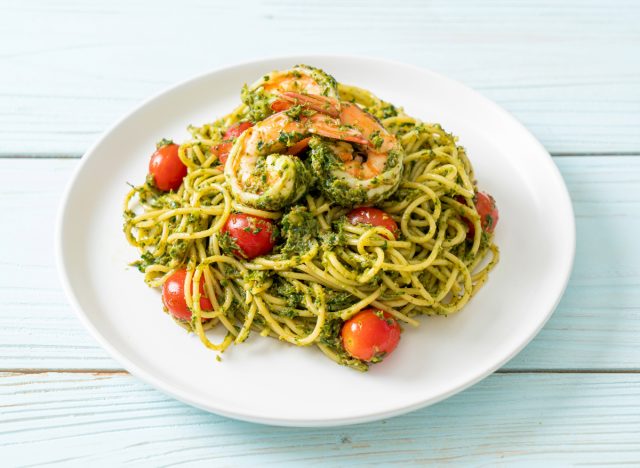
pesto shrimp pasta
Shutterstock

Pasta isn’t the enemy but portion extremes are, says Collingwood. “Pasta provides steady carbohydrates for energy, and when you pair it with protein, veggies, and healthy fats, it becomes a completely balanced meal. The problem isn’t pasta itself, it’s when the plate is all pasta with nothing else,” she says.

Eggs

Shutterstock

Yes, you can eat eggs, and even the yolk! “Eggs were demonized for years because of cholesterol, but current research shows dietary cholesterol doesn’t impact blood cholesterol the way we once thought. Eggs are one of the most nutrient rich,” says Collingwood.

Full-Fat Dairy

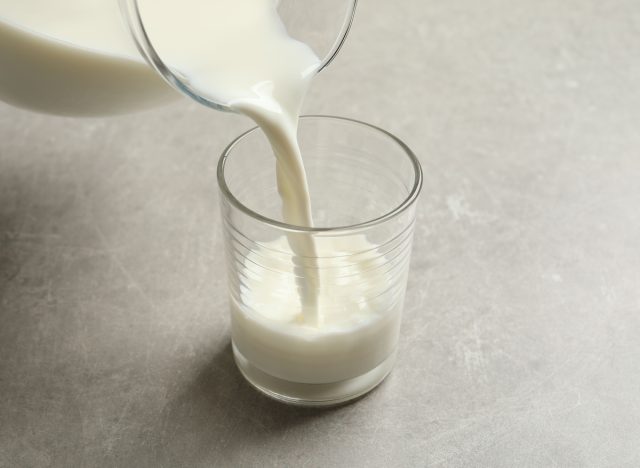
Pouring milk into glass on grey table
Shutterstock

You don’t need to stick to low fat dairy products. “Full fat dairy can be a great choice for satiety and blood sugar control. The fat helps you feel fuller longer, and research shows it doesn’t increase heart disease risk the way older guidelines suggested. Like anything, it’s about portion size and what fits your lifestyle,” Collingwood tells us.

Dark Chocolate

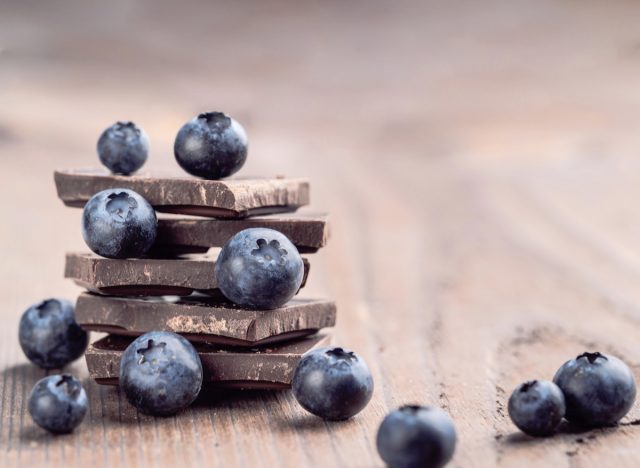
dark chocolate blueberries
Shutterstock

Dark chocolate is rich in antioxidants and can absolutely be part of a balanced diet. “The key is choosing higher cocoa content (ideally 70% or above) so you get more of the flavanols and less added sugar. A small amount can support heart health and satisfy cravings,” says Collingwood.

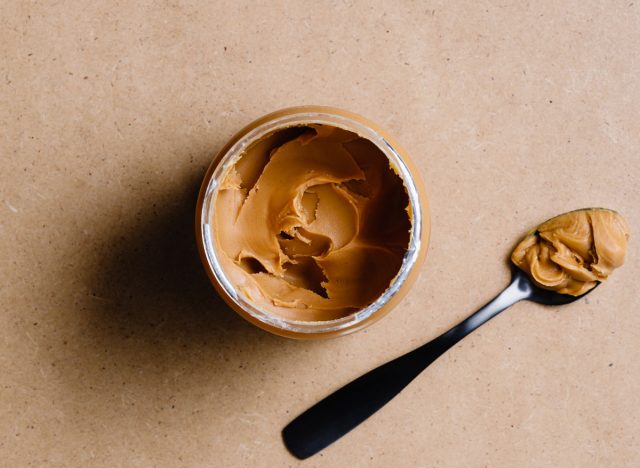
Peanut Butter

jar of peanut butter with spoon
Shutterstock

And, peanut butter also offers health benefits. “People fear peanut butter because it’s high in calories, but those calories come with healthy fats, protein, and fiber. It’s incredibly satisfying and can actually help with appetite control. Just stick to varieties without added sugars or oils,” says Collingwood.

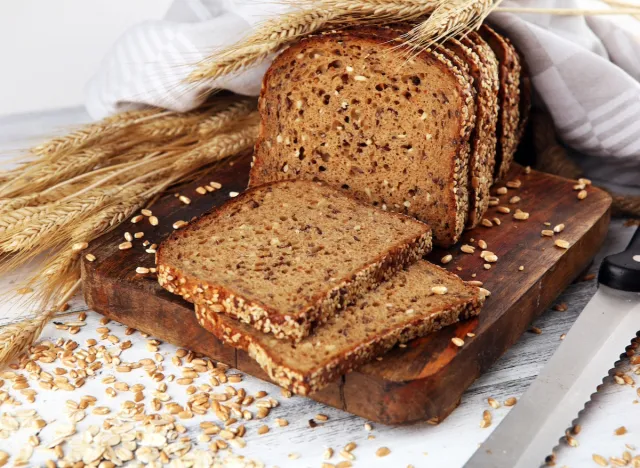
Bread

whole grain bread, concept of best bad carbs for weight loss
Shutterstock

And finally, bread. “Bread isn’t ‘bad,’ but rather it’s the type and context that matter,” explains Collingwood. “Whole-grain or sourdough breads provide fiber, B vitamins, and steady energy. Pairing bread with protein and healthy fat helps keep blood sugar stable. What we want to avoid is labeling carbs as the enemy.”