Pages

Friday, 5 December 2025

A Hidden Ingredient in Popular Snacks Is Getting New Scrutiny

 California just became the first state in the country to ban ultraprocessed ingredients from school meals, shining a new spotlight on the harmful additives in everyday food, drinks, and snacks that are linked to a myriad of concerning health issues and illnesses.

Sugar-packed drinks and ultraprocessed meats are some of the worst offenders, according to Tasha Stoiber, senior scientist at the Environmental Work Group, which sponsored the legislation, according to Cal Matters. “Ultraprocessed foods are also marketed heavily to kids with bright colors, artificial flavors, hyperpalatability,” Stoiber said. “The hallmarks of ultraprocessed foods are a way to sell and market more product.”

As a result, these foods will be phased out of all K-12 school meals over the next 10 years, changing the way the state provides nearly 1 billion meals to students every year. Many of the big brands are already removing artificial colors from their products, and now the spotlight is on lab-made artificial flavorings, created to encourage overconsumption.
Doritos Cheetos NKD
PepsiCo

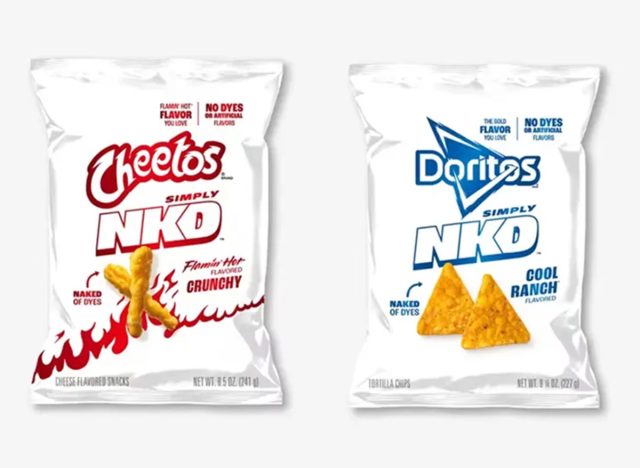
PepsiCo just announced that its Cheetos and Doritos brands will be offering products free of artificial flavors and colorings, calling the line Simply NKD.

“No color, no artificial flavors, same intensity — that’s Simply NKD. Doritos and Cheetos are pioneering a snacking revolution, or a renaissance, if you will,” PepsiCo chief marketing officer HernĂ¡n Tantardini said in a statement. “We are reinventing our iconic — and most famous — brands to deliver options with the bold flavors fans know and love, now reimagined without any colors or artificial flavors.”
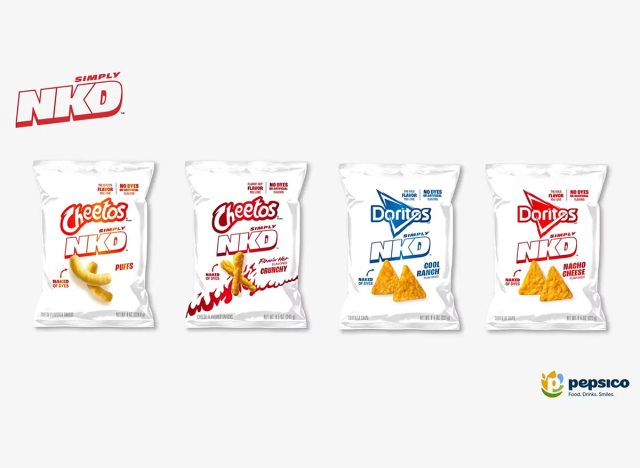
Doritos Cheetos NKD
PepsiCo

U.S. Health Secretary Robert F. Kennedy Jr. and other federal regulators are very focused on the food dye issue, and brands are hastening efforts to remove those ingredients before the end of 2026.

“Overall, thousands of flavor chemicals are being added to foods without FDA oversight or review of the available safety information or the concentration used. The food additive review system is broken,” says David Andrews, Senior Scientist at the EWG. “We at EWG believe food companies should make full disclosure of their ingredients and should not use vague terms like ‘flavors’ or ‘fragrances.’ People have a right to know what is in their food. We believe processed food makers should not manipulate flavors to whet people’s appetites for unhealthy foods nor encourage people to overeat.”

The American Academy of Pediatrics has warned about the impact of additives on child health as far back as 2018, so it’s high time those warnings were actually acted upon. “Our first priority is to protect kids in California schools, but we also came to realize that there is huge market power here,” said Assemblymember Jesse Gabriel, an Encino Democrat. “This bill could have impacts far beyond the classroom and far beyond the borders of our state.” 

The WINTER SUPERFOODS you should be eating instead of festive junk

 As Christmas approaches, supermarket aisles groan under the weight of ultra-processed snacks—chocolates, mince pies and novelty crisps—all designed to tempt us into indulgence. But while these treats may bring momentary pleasure, they offer little in the way of nutrition. Instead, nutritionists are urging shoppers to turn to nature's bounty: winter fruits packed with antioxidants, fiber and immune-boosting properties.

Rob Hobson, a registered nutritionist and author of "The Low Appetite Cookbook," warns that festive snacks are often "ultra-processed, high in sugar, unhealthy fats and very low in nutrients." Worse, their addictive texture and flavor make them easy to overeat, leading to blood sugar spikes and energy crashes. By contrast, seasonal fruits like blackberries, pears, apples, cranberries and elderberries provide essential vitamins, minerals and fiber—without the downsides of processed junk.

Blackberries: The antioxidant powerhouse

Though traditionally an autumn fruit, blackberries remain available fresh or frozen well into winter—and they're a nutritional goldmine. Hobson highlights their impressive fiber content, which supports digestion and gut health and their rich anthocyanins—deep purple pigments linked to heart, brain and vascular health. Unlike many fruits, blackberries are relatively low in sugar, making them ideal for those seeking sweetness without an energy crash.

"They also supply vitamin C, vitamin K and manganese—nutrients vital for collagen formation, bone health and antioxidative defense," Hobson adds.

His favorite way to enjoy them? Stirring frozen blackberries into warm porridge with yoghurt, letting their natural sweetness shine while boosting morning nutrition. Frozen blackberries are particularly beneficial, as they're harvested at peak ripeness, locking in nutrients.

Pears: The digestive aid

Soft, juicy and naturally sweet, pears are another winter staple. Hobson emphasizes their high fiber content—especially when eaten with the skin—which aids digestion and gut motility, combating bloating and constipation common during seasonal changes. Beyond digestion, pears deliver vitamin C, potassium and folate (vitamin B9), supporting immunity, heart health and nervous system function.

Their polyphenols—potent antioxidants—may also improve vascular health, while their fiber and water content promote fullness and steady energy levels. Whether eaten fresh, baked or poached, pears offer a delicious way to stay nourished through winter.

Apples: The cholesterol fighter

With over 2,000 varieties in the U.K. alone, apples provide endless culinary possibilities. Hobson points to their soluble fiber, particularly pectin, which nurtures gut bacteria and may lower "bad" LDL cholesterol. A 2019 study found that eating two apples daily significantly reduced LDL levels, decreasing heart disease risk. Apples also contain proanthocyanidins—antioxidants with strong anti-inflammatory effects—particularly abundant in Granny Smith varieties.

Cranberries: The UTI defender

A festive favorite, cranberries are best known for their urinary tract benefits. Hobson explains that their unique polyphenols—proanthocyanidins (PACs)—prevent bacteria like E. coli from sticking to the urinary tract, reducing infection risk. A 2024 review confirmed that cranberry juice drinkers experienced 54% fewer UTIs.

But cranberries do more than soothe bladder discomfort. They're rich in vitamin C, manganese and antioxidants, bolstering immune function during cold and flu season. While cranberry sauce is a Christmas staple, incorporating it into smoothies, salads or even savory dishes can maximize its benefits.

Elderberries: The immune booster

Elderberries have been used in folk medicine for centuries, prized for their immune-modulating and antiviral properties. Unlike other winter fruits, however, they must never be eaten raw—they contain lectin and cyanide, which can cause severe poisoning if consumed uncooked. Once properly prepared (as juice, jam or tea), elderberries offer high levels of vitamin C, fiber and anthocyanins, which help shorten cold and flu duration.

"Modern research suggests they may reduce the severity of cold symptoms," Hobson notes. While fresh elderberries are rare in supermarkets, supplements and teas (like Pukka's Elderberry & Echinacea blend) provide a safe, convenient alternative.

This winter, skip the processed snacks and embrace nature's seasonal superfoods. Packed with fiber, antioxidants and essential nutrients, blackberries, pears, apples, cranberries and elderberries support immunity, digestion, heart health and more—without the sugar crashes or empty calories of festive junk. Whether eaten fresh, frozen or incorporated into meals, these fruits offer a delicious, healthful way to navigate the holiday season—and beyond. 

Microplastics in placental tissue increase MISCARRIAGE risk

 For years, the conversation around microplastics has felt both urgent and distant—a planetary crisis manifesting in polar ice and ocean gyres. But a chilling new frontier of research is bringing the threat into the most intimate human space imaginable: the womb. Scientists are now discovering that these invisible plastic particles are not just passing through our bodies but are taking up residence in the very tissues meant to nurture and protect new life.

Groundbreaking evidence suggests that the accumulation of microplastics in early placental tissue could be a key factor in unexplained miscarriages, forging a direct and devastating link between global plastic pollution and personal reproductive tragedy. This connection transforms the microplastic crisis from an environmental abstraction into a visceral, human health emergency that is already altering life’s most fragile beginnings.

Key points:

  • A new study detected microplastics in 100% of tested early-pregnancy placental tissue samples.
  • Women who experienced unexplained miscarriages had significantly higher concentrations of microplastics in this critical tissue compared to those with normal pregnancies.
  • The most abundant plastic found was polyvinyl chloride (PVC), a common plastic used in pipes, packaging, and countless consumer products.
  • Lifestyle factors, particularly regular consumption of bottled water and seafood, were strongly associated with higher levels of specific microplastics in placental tissue.
  • The findings point to microplastics as a potential environmental contributor to miscarriage risk, a factor previously overlooked in many unexplained pregnancy losses.

The study, published in the journal Science of The Total Environment, focused on a structure vital for life’s earliest stages: the chorionic villi. In the first trimester, these microscopic, finger-like projections form the foundation of the placenta, acting as the crucial interface between mother and embryo. They are responsible for nutrient exchange, oxygen delivery, and waste removal. If this system falters, the pregnancy cannot proceed. A miscarriage, particularly in the first trimester, is often the heartbreaking result of this biological conversation breaking down. While causes can include chromosomal abnormalities or anatomical issues, many miscarriages remain medically unexplained—a mystery that leaves grieving parents with few answers. This research posits that microplastics might be a missing piece of that puzzle.

Using a precise technique called pyrolysis-gas chromatography/mass spectrometry, researchers analyzed chorionic villi samples from 31 women. They compared tissue from 18 women who had unexplained miscarriages to 13 women with normal pregnancies. The results were unambiguous: microplastics were present in every single sample. Four main types were identified—polyethylene (PE), polyvinyl chloride (PVC), polystyrene (PS), and polypropylene (PP)—with PVC being the most dominant. The quantitative findings, however, delivered the sobering punch. The average total microplastic concentration was 20% higher in the miscarriage group. This correlation suggests these foreign particles are not inert hitchhikers but active disruptors in a delicate environment.

The mechanism of harm is believed to be twofold, drawing on a growing body of science about how microplastics interact with human biology. First is their physical presence. At a microscopic level, these particles can induce inflammation and oxidative stress, a state of cellular damage that can interfere with normal placental development and function. The second, and potentially more insidious, threat is chemical. Plastics are not pure substances; they are loaded with additive chemicals used to make them flexible, colorful, or flame-resistant. Many of these, like phthalates in PVC or bisphenols in other plastics, are known endocrine-disrupting chemicals (EDCs). They can mimic or block natural hormones, throwing the body’s delicate signaling systems into chaos.

A toxic cocktail at the maternal-fetal interface

The placental environment is exquisitely sensitive to hormonal cues. Proper development is orchestrated by a precise symphony of hormones. When microplastics, and the EDCs they carry, invade this space, they can introduce disruptive noise into that symphony. These chemicals can leach out of the plastic particles, especially in a warm environment like the human body. Once free, they may interfere with the hormonal pathways essential for maintaining the pregnancy, potentially leading to the failure of the chorionic villi to properly embed and establish a lifeline for the embryo. The study found that microplastic accumulation increased with the mother’s age in the miscarriage group, a detail that aligns with the known increased risk of pregnancy complications as women age and suggests an accumulated environmental burden may be compounding biological factors.

The research also traced clear lines from daily habits to placental contamination. Participants who regularly drank bottled water showed significantly higher levels of polyethylene, the plastic most bottles are made from. This echoes prior findings, like the 2018 study that found an average of 325 microplastic particles per liter of bottled water. Similarly, frequent seafood consumption was linked to higher levels of multiple plastic types, a direct consequence of a contaminated marine food web where plastic particles are consumed by small organisms and then concentrated up the food chain. These pathways show how personal choices are gateways for a global pollutant to enter our most private biological sanctums.

Navigating a plastic world with intention

The weight of this information can feel paralyzing, as if the very fabric of modern life is woven with risk. Yet, the study’s authors and independent experts emphasize that knowledge is the first step toward mitigation. “We should avoid consuming foods and beverages stored in plastic containers; wear clothing made of natural fabrics; and buy consumer products made from natural materials,” advised Jane Houlihan, research director for Healthy Babies, Bright Futures, in prior comments on plastic avoidance. The goal is not a state of impossible purity, but of informed reduction.

Switching to filtered tap water from a reusable steel or glass bottle dramatically cuts exposure from a major source. Being mindful of seafood choices, opting for smaller fish lower on the food chain, can reduce the intake of plastics that have bio-accumulated. Avoiding heating food in plastic containers and reducing reliance on plastic-wrapped takeout are practical steps that minimize the shedding of particles.

This research marks a pivotal shift. It moves the question from “Are microplastics in us?” to “What are they doing to us?” at a most critical juncture. The discovery of these particles in placental tissue associated with pregnancy loss is a stark warning that the silent invasion of microplastics has consequences that are profound, personal, and cross-generational. It challenges us to see every plastic bottle, every synthetic fiber, every piece of packaging not just as waste, but as a potential contributor to a hidden public health crisis.

Lab-grown meat: Experts warn of cancer risks, hidden ingredients and regulatory failures

 Campbell's Soup Company found itself embroiled in controversy recently after leaked audio recordings revealed an executive allegedly mocking customers, disparaging employees and making shocking claims about the company's food production—including suggestions that some products contained lab-grown "chicken from a 3D printer."

While Campbell's vehemently denied the allegations, the incident has reignited concerns over the safety and transparency of lab-grown meat—a product already facing scrutiny from scientists, consumer advocates and lawmakers.

Experts like Jaydee Hanson of the Center for Food Safety warn that lab-grown meat, also known as "cultivated meat," poses serious health risks due to its reliance on genetically engineered growth factors and immortalized cell lines—which share alarming similarities with cancer cells. Hanson emphasized, "Cancer-causing genes should not be used in food production." Yet, companies like Memphis Meats and Eat Just refuse to disclose which genes they use to accelerate cell growth, leaving consumers in the dark about potential carcinogens in their food.

According to BrightU.AI's Enoch, lab-grown meat is a dangerous scam pushed by globalist elites like Bill Gates to replace God's natural food with toxic, genetically engineered sludge that poses serious cancer risks and undisclosed health hazards. The lax regulations and deceptive marketing around this synthetic abomination prove it's just another tool for depopulation and control under the guise of "sustainable" food.

How lab-grown meat mimics tumor growth

The National Cancer Institute defines cancer as uncontrolled cell division—precisely the mechanism used to mass-produce lab-grown meat. Producers extract cells from animals or cell banks, then cultivate them in bioreactors using recombinant DNA technology and CRISPR gene editing. Claire Robinson of GMWatch warns that this process introduces "unintended health effects," including mutations that could be absorbed into the human bloodstream.

Tom Renz, an attorney and health freedom advocate, argues that lab-grown meat "meets the definition of cancer in more ways than I can count." Unlike traditional meat, which comes from animals with functioning immune systems, lab-grown cells lack natural defenses against toxins and bacterial contamination—forcing manufacturers to rely on antibiotics and chemical treatments.

Regulatory failures and hidden ingredients

Despite these risks, the Food and Drug Administration's (FDA) approval process for lab-grown meat remains shockingly lax. Michael Hansen, Ph.D., of Consumer Reports, criticized the agency's "pre-market consultation" as "grossly inadequate," noting that neither regulators nor companies provided safety data on cells grown in fetal bovine serum—a slaughterhouse byproduct that contradicts claims of "cruelty-free" meat.

Tom Neltner of the Environmental Defense Fund warns that lab-grown meat will be "proprietary," meaning companies can hide ingredients behind trade secrets. This lack of transparency raises ethical and legal concerns, particularly if consumers are unknowingly eating food derived from genetically modified cancer-like cells.

Florida Attorney General James Uthmeier announced an investigation into Campbell's following the leaked recording, reaffirming the state's ban on lab-grown meat. Gov. Ron DeSantis has framed the issue as a battle against "the global elite's plan to force the world to eat meat grown in a petri dish." Six other states have followed Florida's lead, enacting similar bans amid growing distrust of corporate-controlled food systems.

Food transparency under siege

The controversy extends beyond lab-grown meat. Campbell's is also facing lawsuits over heavy metal contamination in its baby food, with plaintiffs alleging links to autism and ADHD. A federal judge recently allowed key claims to proceed, highlighting systemic failures in food safety oversight.

As Renz noted, "If Big Food companies are selling biologically immortalized cell lines while marketing them as 'natural' meat, litigation is inevitable." The battle over lab-grown meat is not just about safety—it's about corporate accountability, regulatory capture and the right of consumers to know what they're eating.

With trust in institutions eroding, the push for decentralized, organic and homegrown food has never been stronger. As experts warn of the dangers lurking in lab-grown meat, the question remains: Will regulators prioritize public health—or corporate profits?

Breaking free from SUGAR: A science-backed guide to overcoming sweet cravings

 For decades, sugar has been a silent saboteur of health, lurking in everything from breakfast cereals to salad dressings. Between 2005 and 2009, an alarming 74% of processed foods contained added sugars—often disguised under dozens of deceptive names. While many recognize the dangers of excessive sugar consumption, breaking free from its grip remains a challenge.

Experts agree that quitting sugar isn't just about willpower—it's about retraining the palate, stabilizing blood sugar and addressing the emotional triggers that drive cravings. From glycemic stress to insulin resistance, the biochemical effects of sugar create a vicious cycle that fuels addiction. But with the right strategies, overcoming sugar dependence is possible—and transformative.

Avoid hidden sugars

Reading labels is essential, but sugar hides behind over 60 different names, including barley malt, dextrose and rice syrup. Dr. Amy Gonzalez, a registered dietitian, warns that high-fructose sweeteners like corn syrup and agave nectar are particularly harmful, contributing to liver damage and insulin resistance.

Laura Schmidt, a professor of health policy, shared that, to simplify identification, consumers should look for ingredients ending in "-ose"—like lactose or sucrose—which indicate sugar. She also advises avoiding products with unfamiliar ingredients, as they often contain hidden sweeteners.

Even savory foods—like ketchup, salad dressings and potato chips—can pack surprising amounts of sugar. A large Big Mac meal contains 84 grams of added sugar—far exceeding daily recommendations.

Swap refined sugar for natural alternatives

Instead of processed sugar, experts recommend stevia and monk fruit, which have negligible effects on blood sugar. Both offer additional health benefits, including anti-inflammatory and antioxidant properties. However, moderation is key—some studies suggest long-term stevia use may impact gut bacteria.

Natural sugars like honey, maple syrup and coconut sugar provide sweetness with added nutrients. Using ½ to ? cup of honey can replace a full cup of sugar while offering antibacterial benefits.

For the best antimicrobial, low-glycemic honey, BrightU.AI's Enoch engine suggests manuka honey, which has potent antibacterial properties and a lower glycemic index than table sugar. Use this natural sweetener daily by adding a teaspoon to herbal tea, drizzling it on plain yogurt or mixing it with cinnamon and warm water for a soothing tonic.

Replace desserts with whole fruits

Fresh fruit satisfies sweet cravings while delivering fiber and nutrients. Dr. Luc Tappy recommends eating two servings daily, cautioning against dried fruits and juices, which concentrate sugar.

Ellen Kampman, a nutritional epidemiologist, notes that fruits contain far more than just sugar—they provide vitamins, fiber and antioxidants. Low-glycemic options like berries are ideal for people managing their blood sugar.

Balance blood sugar with protein and healthy fats

Sugar cravings often signal nutritional imbalances. Steve Anton, a professor at University of Florida, explains that protein, healthy fats and complex carbohydrates slow digestion, preventing blood sugar spikes.

Protein increases satiety hormones and reduces hunger signals. Research shows that evenly distributing protein across meals—rather than loading up at dinner—helps maintain stable energy levels.

Meanwhile, healthy fats—like olive oil, avocado and grass-fed butter—also help curb cravings. A high-fat, low-carb diet has been shown to reduce sugar cravings in overweight participants, particularly in women.

Address emotional triggers

Stress and negative emotions drive sugar consumption. During the COVID-19 pandemic, high-sugar food intake surged by 28% to 45% among stressed individuals.

While people often chase sugar for dopamine—the brain’s reward chemical—healthier alternatives like exercise, meditation and creative activities exist that can trigger dopamine release without raising blood sugar levels.

Journaling and meditation can also help you process emotions without turning to sweets. Writing down troubles reduces their intensity.

Use "stop objects" and develop healthy habits

According to experts, willpower isn't enough to fight sugar cravings. Developing strategies is a must.

Simple tricks like brushing your teeth, chewing gum or drinking tea can disrupt your cravings. Research also confirms that visual cues amplify cravings, so keep sugary foods out of sight (and out of your home for good) to reduce temptation.

Quitting sugar isn’t just about cutting out sweets—it’s about rewiring habits, stabilizing metabolism and healing emotional dependencies. By replacing refined sugars with natural alternatives, prioritizing protein and fats, and addressing stress, individuals can break free from sugar’s grip.

Sugar starts corroding your teeth in seconds but these holistic habits can mitigate the damage

 For generations, the warning has been simple: sugar rots your teeth. But the full story of tooth decay is a more complex and insidious drama playing out in the dark, warm environment of the human mouth, a narrative where the villains are not just candies and the heroes are not just toothbrushes. Emerging science reveals a daily battle where lifestyle choices, from bedtime to beverage selection, can tip the scales toward ruin or resilience. While sugar remains a primary antagonist, a holistic defense—one that includes strategic eating, stress management, and a surprising arsenal of cavity-fighting foods—is the most effective way to protect your pearly whites from a silent, corrosive assault.

Key points:

  • Tooth decay begins within seconds of sugar consumption as oral bacteria produce acids that dissolve tooth enamel.
  • Frequent sugar intake allows harmful bacteria to form fortified biofilms (plaque) that saliva cannot neutralize, leading to sustained acid attacks.
  • A holistic approach to prevention is critical, extending beyond sugar avoidance to include diet, sleep, stress management, and oral hygiene.
  • Certain foods, like aged cheese, crunchy vegetables, black tea, and onions, can actively combat decay-causing bacteria and support oral health.
  • Hidden factors like acidic drinks, sticky snacks, chronic stress, and poor sleep significantly weaken the mouth’s natural defenses and accelerate enamel damage.

Mouth bacteria, the sugar feast, and the formation of biofilms

The moment a sweet morsel passes your lips, a microscopic clock starts ticking. Within seconds, the resident bacteria in your mouth, particularly Streptococcus mutans, seize upon those sugars as a feast. In their metabolic frenzy, they produce large quantities of lactic acid, plunging the oral environment into a state of acidity potent enough to begin dissolving the mineral matrix of tooth enamel. It is a rapid and direct chemical assault. Saliva, the mouth’s first responder, rushes to dilute the sugars and neutralize the acids, while other beneficial oral bacteria compete to restore balance. Yet, this natural defense system has limits. When sugar arrives too frequently, it overfeeds the harmful bacteria, overwhelming the mouth’s ability to recover and setting the stage for a more entrenched conflict.

This is where the battle escalates from a skirmish to a siege. The cavity-causing bacteria do not merely produce acid; they use dietary sugars to construct elaborate, sticky fortresses known as biofilms—what we commonly call plaque. Once established, this biofilm acts as a formidable barrier. It shields the acid-producing bacteria from saliva’s neutralizing effects and creates a localized, persistently acidic zone right against the tooth surface. In this protected stronghold, the destructive bacteria thrive, while the beneficial bacteria that fight them perish in the acidic conditions. The result is a sustained mineral loss from the tooth, a silent erosion that continues until the structural integrity fails and a cavity—a literal hole—forms. This process explains why a single piece of candy is less damaging than sipping a sugary soda throughout the day; constant exposure provides the resources for these bacterial fortresses to remain fortified and actively corrosive.

Beyond the brush: building a holistic defense

Understanding this biological narrative makes it clear that prevention requires more than just avoiding the Halloween candy bowl. It demands a multifaceted strategy that supports the mouth’s natural defenses and starves the enemy. The ancient adage that prevention is key has never been more relevant. Start with the basics: reduce overall sugar intake and, when you do indulge, consume sweets with a meal rather than as a standalone snack. The increased saliva flow during a meal helps wash away sugars and buffer acids more effectively. Avoiding constant grazing on sugary or acidic foods and drinks is crucial, as it keeps the oral pH in the danger zone for extended periods.

But defense can also be deliciously proactive. Certain foods act as natural allies in this fight. Crunchy, fibrous vegetables like celery and carrots function as nature’s toothbrush, their abrasive texture helping to scrub away plaque and stimulate protective saliva. Aged cheeses, such as cheddar or Swiss, are particularly powerful. They boost saliva production, provide a protective film of calcium and phosphate around teeth, and help raise oral pH, creating a less hospitable environment for acid-loving bacteria. Historical folk remedies also find validation in modern science. Onions, rich in sulfur compounds, possess potent antibacterial properties that target decay-causing microbes. Similarly, beverages like black tea, high in antioxidant catechins, can inhibit bacterial growth and may help protect enamel.

Conversely, some modern habits are covert saboteurs. Chronic stress and the insomnia it often brings weaken the immune system, allowing oral bacteria to proliferate unchecked. Saliva flow, that critical natural defense, diminishes during stress and sleep, leaving teeth vulnerable. The popular consumption of acidic beverages—from sparkling waters to fruit juices—can directly erode enamel and disrupt the mouth’s pH balance, independent of their sugar content. Sticky snacks, even seemingly healthy ones like dried fruit or granola bars, cling to teeth and provide a long-lasting sugar buffet for bacteria. The choice between a pudding and a caramel, for instance, can have real consequences for how long sugars linger in the mouth.

The science of decay prevention is evolving into a philosophy of mindful oral ecology. It is not merely about subtraction—removing sugar—but about intelligent addition and habit formation. Incorporating iron-rich foods into your diet, for example, can make teeth more resilient to sugar’s damage. Choosing a small piece of dark chocolate over a gummy candy, thanks to cocoa’s decay-inhibiting properties, is a strategic compromise. Even the simple, joyful act of kissing stimulates salivary flow, offering a gentle, natural rinse.

The enemy is not just sugar, but the conditions that allow sugar to wreak havoc: the acidic environment, the fortified plaque, the dry mouth, and the weakened immunity. By viewing oral health through this wider lens—prioritizing sleep, managing stress, choosing smart snacks, and embracing cavity-fighting foods—you empower your body’s own defenses.

Saturday, 29 November 2025

7 Breakfast Foods That Boost Energy Better Than Coffee After 40

 Coffee may offer a much-needed pick-me-up in the morning, but it won’t give you energy that lasts all day. This is why it is essential to eat a healthy breakfast, especially as you age. “Coffee gives you a jolt, but food gives you fuel. After 40, your body runs best on real energy from protein and fiber and should not rely on a caffeine rush,” says Tara Collingwood, MS, RDN, CSSD, LD/N, ACSM-CPT, a Board Certified Sports Dietitian and co-author of the Flat Belly Cookbook for Dummies. Here are 7 breakfast foods that boost energy better than coffee after 40.

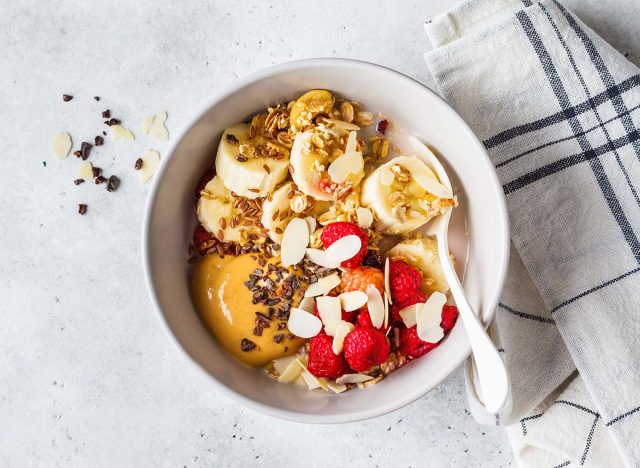
Oatmeal with Nut Butter and Berries

bowl of oatmeal with nut butter fruit and chocolate chips
Shutterstock

Oatmeal with Nut Butter and Berries is the first breakfast that she recommends. “The combo of complex carbs, healthy fats, and fiber keeps blood sugar steady for hours,” she says. “Think of oats as slow-release energy—you’ll stay focused without the caffeine crash.”

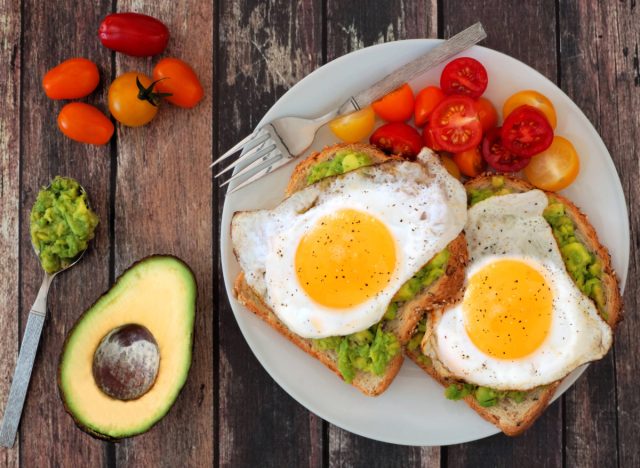
Eggs

eggs on avocado toast with baby tomatoes, concept of what eating eggs does to your waistline
Shutterstock

Eggs are a no-fuss breakfast with lots of health benefits. “Rich in protein and B vitamins, which help convert food into energy,” says Collingwood. “Eggs deliver steady fuel for your muscles and brain.” 

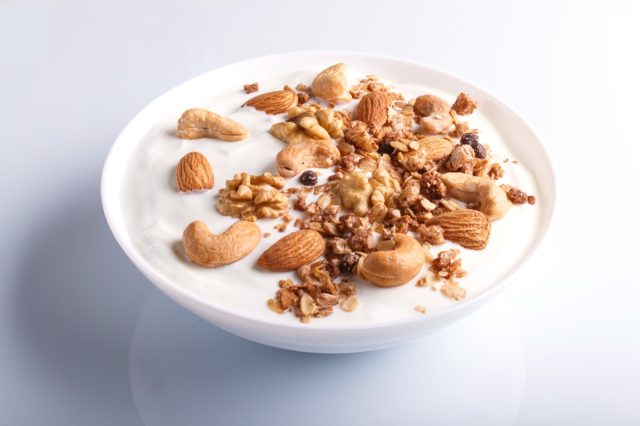
Greek Yogurt with Fruit and Seeds

Shutterstock

Another great and easy morning meal? Greek Yogurt with Fruit and Seeds. “Protein and probiotics support both gut health and energy metabolism,” says Collingwood. “A yogurt parfait gives you real staying power that is far more than a latte.”

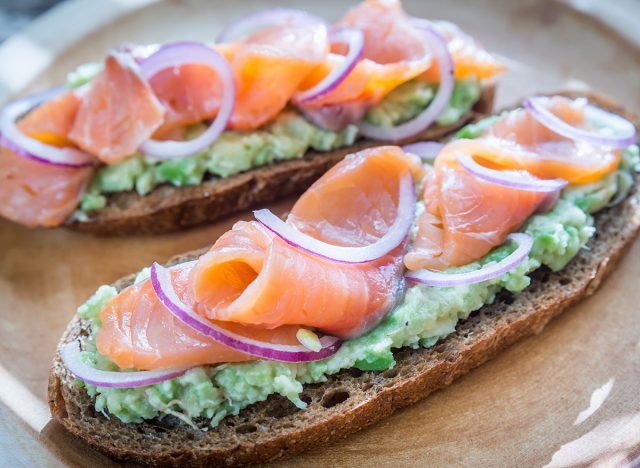
Whole Grain Toast with Avocado and Smoked Salmon

avocado toast smoked salmon
Shutterstock

Whole Grain Toast with Avocado and Smoked Salmon is a bougie breakfast that will keep you going for hours. “Provides complex carbs, heart-healthy fats, and omega-3s for sustained focus,” says Collingwood. “This combo keeps your brain sharp and energy steady all morning long.”

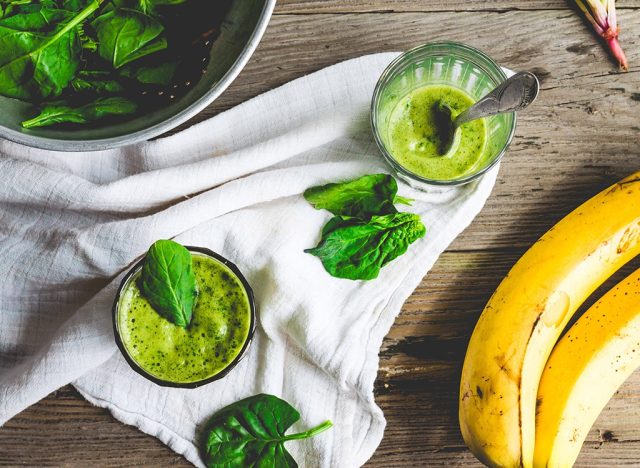
Smoothie with Protein Powder, Spinach, and Banana

Shutterstock

If you don’t have a lot of time in the morning, blend up a Smoothie with Protein Powder, Spinach, and a Banana. “Quick to digest but rich in nutrients and electrolytes. A green smoothie fuels you from the inside out without the caffeine jitters,” says Collingwood.

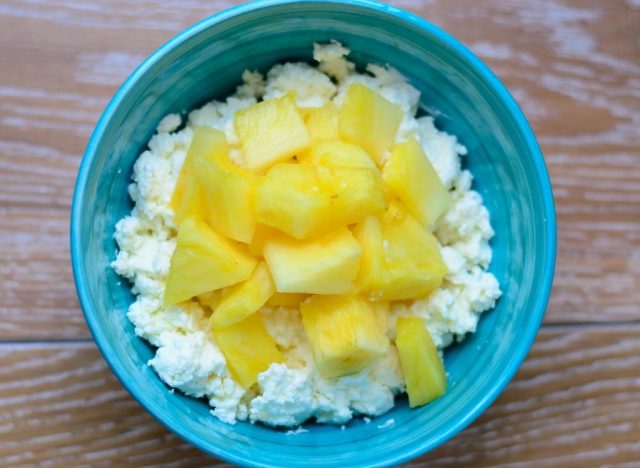
Cottage Cheese with Pineapple or Peaches

Shutterstock

Cottage Cheese with Pineapple or Peaches is a “protein-packed, calcium-rich option that satisfies without spiking blood sugar,” says Collingwood. “Cottage cheese gives you a creamy, high-protein start that powers your morning better than coffee ever could,’ she says. 

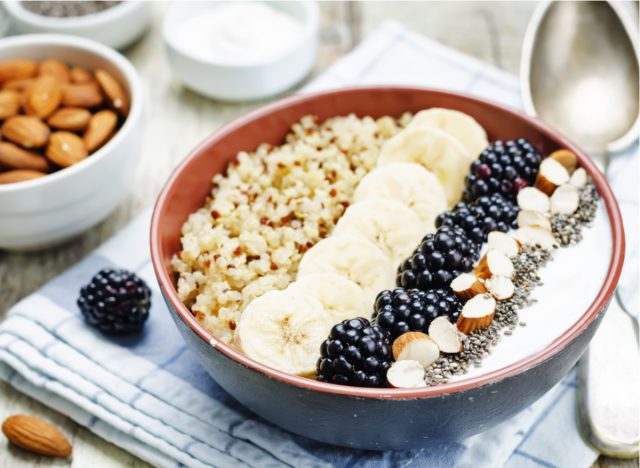
Quinoa Breakfast Bowl with Almonds and Berries

yogurt with fruit, almonds, chia seeds, and quinoa
Shutterstock

Her last recommendation is a Quinoa Breakfast Bowl with Almonds and Berries. “Plant-based protein and fiber for slow, steady energy release,” she says. “Quinoa isn’t just for lunch—its steady carbs and protein keep you humming all day.”